
.jpeg)
 Doxycycline Dosage Recommendations for Different Health Conditions
Overview of Doxycycline Dosage Guidelines
Doxycycline dosage guidelines serve as essential reference points for healthcare providers when prescribing this antibiotic. Understanding the appropriate dosages for different health conditions is crucial in ensuring optimal treatment outcomes and minimizing potential side effects. It is imperative to consider factors such as the severity of the infection, patient's age and weight, and the specific health condition being treated.
Overview of Doxycycline Dosage Guidelines
| Health Condition | Recommended Dosage |
|---|---|
| Respiratory Infections | Dosage may vary based on severity, typically ranging from Xmg to Ymg per day. |
| Skin Conditions | For conditions such as acne or dermatitis, a standard dosage of Zmg per day may be prescribed. |
| Lyme Disease | Initial dosage may be higher for acute cases, followed by a maintenance dose for a specific duration. |
| Malaria Prevention | Regimen includes a specific dosage taken regularly before, during, and after travel to malaria-endemic areas. |
Recommended Dosage for Respiratory Infections
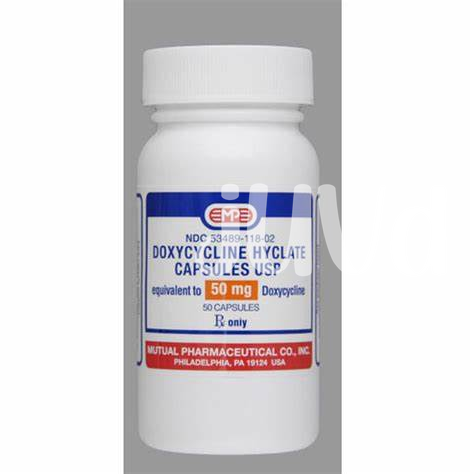
Doxycycline is commonly prescribed for respiratory infections due to its effectiveness in combating bacterial pathogens. The recommended dosage for these infections typically ranges from 100mg to 200mg per day, depending on the severity of the condition and the individual's specific health profile. It is essential to follow the prescribing healthcare provider's script diligently to ensure optimal treatment outcomes and minimize the risk of developing antibiotic resistance. Combining doxycycline with a comp medication may enhance its efficacy in targeting respiratory pathogens more effectively.
Dosage Recommendations for Skin Conditions
Doxycycline is commonly prescribed for a variety of skin conditions due to its effectiveness in combating bacterial infections. When it comes to dosing for skin issues, healthcare providers typically recommend a specific regimen based on the severity and type of infection present. It is important to follow the prescribed dosage instructions diligently to ensure the best possible outcome for the patient's skin health. Additionally, it is crucial to complete the full course of doxycycline treatment, even if symptoms improve before the medication is finished. This helps prevent the development of antibiotic resistance and ensures the infection is fully eradicated.
Utilizing Doxycycline for Acne Treatment
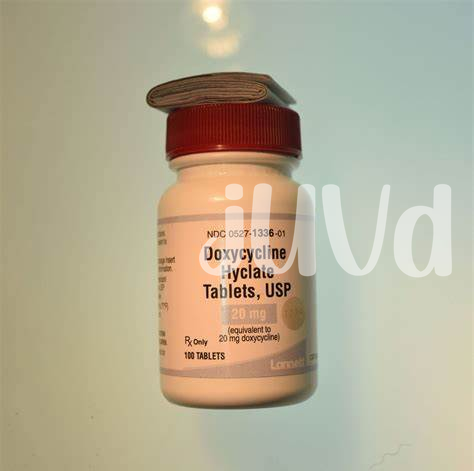
When it comes to managing acne, Doxycycline can be a valuable treatment option. This antibiotic is known for its effectiveness in reducing inflammation and controlling the bacteria responsible for causing acne breakouts. It works by inhibiting the growth of bacteria and decreasing inflammation in the skin, leading to clearer and healthier looking skin. The recommended dosage of Doxycycline for acne treatment is typically lower than when used for other conditions, often starting with a lower dose that can be gradually increased based on individual response and tolerance. It is important to follow the prescribed dosage and duration as directed by your healthcare provider to achieve optimal results without risking antibiotic resistance or other potential side effects.
Dosage Considerations for Lyme Disease
Doxycycline is commonly prescribed for Lyme disease, with dosage considerations varying depending on the stage and severity of the infection. For early localized Lyme disease, the typical adult dosage is 100 mg twice daily for 14-21 days. In cases of early disseminated Lyme disease, the dosage may be increased to 200 mg daily for the same duration. Late Lyme disease or neurological involvement may require intravenous doxycycline at a dose of 200-400 mg daily for up to 3 weeks. It's crucial for healthcare providers to assess the individual patient's condition and response to treatment when determining the appropriate doxycycline dosage for Lyme disease.
| Health Condition | Recommended Dosage |
|---|---|
| Early Localized Lyme Disease | 100 mg twice daily for 14-21 days |
| Early Disseminated Lyme Disease | 200 mg daily for 14-21 days |
| Late Lyme Disease or Neurological Involvement | 200-400 mg daily for up to 3 weeks (intravenous) |
Special Dosage Instructions for Malaria Prevention
Malaria prevention with doxycycline involves unique dosage instructions due to the importance of consistent use in high-risk areas. The typical regimen for adults includes taking one 100mg tablet daily starting 1-2 days before entry into the malaria-endemic area, continuing throughout the stay, and for four weeks after leaving. It's crucial to adhere strictly to this schedule to ensure maximum effectiveness against the mosquito-borne disease. For children, the dosage is weight-based to ensure proper protection. These specialized guidelines aim to safeguard travelers and individuals residing in regions where malaria is prevalent, highlighting the significance of proactive prevention measures. For more detailed information on doxycycline and its various uses, you can refer to reputable sources like Centers for Disease Control and Prevention and National Institutes of Health.
.jpeg)
.jpeg)
Health Services
.jpeg)