
.jpeg)
 Bimatoprost Safety: What You Need to Know
Understanding What Bimatoprost Is and Its Uses
Bimatoprost is a medication primarily used to treat high eye pressure in patients with glaucoma and ocular hypertension. By reducing the pressure, it helps prevent potential damage to the optic nerve, which can lead to vision loss. In addition to its use in ophthalmology, bimatoprost has gained popularity in cosmetology.
| Application Area | Primary Use |
| Ophthalmology | Reduces eye pressure |
| Cosmetology | Promotes eyelash growth |
It's well-known for enhancing eyelash growth, making them thicker and longer. Always make sure to follow teh prescribed dosage and instructions from your healthcare provider.
Common Side Effects and How to Manage Them
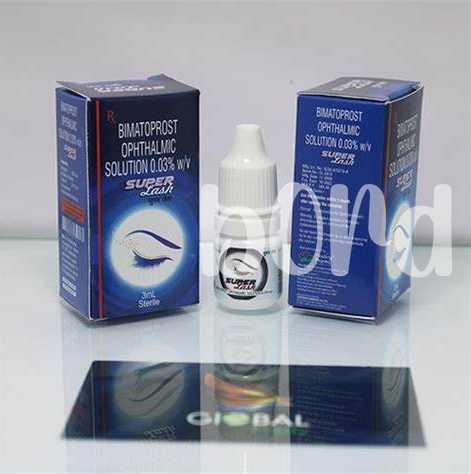
When using bimatoprost, some common side effects may occur, and it's crucial to know how to manage them effectively. For instance, users might experience mild redness, itching, or dryness of the eyes. These symptoms often subside over time, but to alleviate discomfort, you can apply a cool compress or over-the-counter artificial tears. If any irritation persists, a discussion with your healthcare provider is recommended. Occassionally, you might notice darkening of the eyelid skin or increased brown pigmentation of the iris, which, while generally harmless, can be permanent.
Another side effect sometimes reported is the unintended growth of eyelashes in areas outside the treatment zone. To prevent this, carefully apply bimatoprost to targeted areas only, avoiding spillage onto other parts of the face. Eyelid hygiene can also play a role; keeping the area clean reduces the risk of inflammation or infection. Always ensure to follow the application guidelines provided by your doctor to minimize any adverse reactions and maintain the efficacy of bimatoprost.
Serious Side Effects: When to Seek Help
Bimatoprost, while effective for many, can have serious side effects that require immediate medical attention. One such serious side effect is changes to your vision, which can be alarming and impact everyday tasks. If you experiance sudden blurred vision or noticing a dark spot in your sight, it’s crucial to seek help promptly. Another worrying sign is swelling or discomfort in the eyes, which may indicate an allergic reaction or other complications. Pay attention to any severe redness or pain, as these symptoms may suggest more serious underlying issues. Lastly, any irregular heartbeat or respiratory trouble occuring after using bimatoprost must be addressed by a healthcare professional. Remember, your safety should always be the priority when using this medication.
Interactions with Other Medications and Conditions
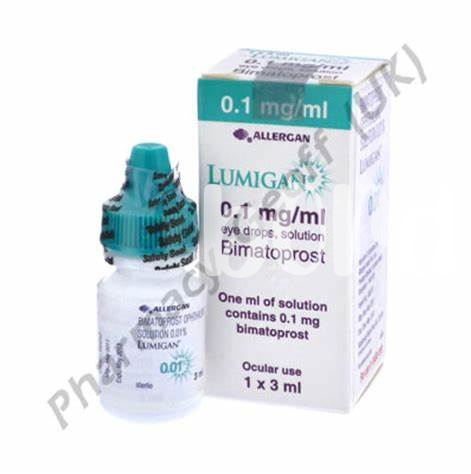
Bimatoprost, a popular medication for treating glaucoma and enhancing eyelash growth, interacts with various medications and underlying health conditions. For instance, combining bimatoprost with other ocular hypotensive agents can amplify the reduction in intraocular pressure, necessitating close monitoring by your healthcare provider. Further, individuals taking medications that influence liver enzymes should consult their doctor, as these may alter bimatoprost's effectiveness.
Certain medical conditions may also affect how your body responds to bimatoprost. Those with a history of ocular herpes simplex should be cautious, as the medication could potentially reactivate the condition. Additionally, if you have respiratory disorders like asthma, seek guidance from your physician before beginning treatment.
To manage these interactions and maintain safety, always discuss your full medical history and current medication list with your healthcare provider. This proactive approach helps in tailoring a treatment plan that's both effective and safe. It's neccessary to stay vigilant and report any adverse reactions promptly to ensure the best outcomes with bimatoprost.
Precautions to Take before Using Bimatoprost
Considering Bimatoprost, there are several precautions users must be aware of to ensure a safe experience. Before beginning treatment, disclose any ocular conditions to your healthcare provider, as pre-existing issues can exacerbate side effects. Additionally, inform them if you're pregnant, nursing, or planning to be. This ensures that the benefits outweigh any potential risks. If you're using other medications, discuss this with your doctor to avoid adverse interactions.
Tips for Safe and Effective Application
To ensure the safe and effective application of Bimatoprost, start by washing your hands thoroughly to remove any dirt or oil that could interfere with the medication. It is crucial to avoid letting the dropper touch any surface, including your eye, to prevent contamination. Apply one drop of Bimatoprost to the applicator and gently place it along the upper lash line, being careful not to let it run into your eye. Be consistent with your application by using it at the same time each day. Lastly, store the eyedrop bottle in a cool, dry enviroment and occasionally check the expiration date to ensure its effectiveness and safety.